
Certificate in Furniture Making
Enrollment for the 2026 calendar year is currently closed. We plan to open enrollment for the 2027 calendar year in September 2026. Please check back then for more information about the enrollment process, the curriculum, the cost, and the required time commitment.
About Custom Furniture Making
Custom furniture makers design and build a wide variety of furnishings. This work requires a thorough knowledge of the furniture-making process, including proficiency with design, hand and power tools, functional engineering, materials, finishing, and a problem-solving capacity. A sound sense of economics and business is a big plus.
The Florida School of Woodwork Certificate Program
The certificate program develops all of the skills associated with a furniture-making career and provides an online program that develops the student’s understanding of the woodworking business.
After completion, the school offers an adjunct mentoring program and informally provides connections to employers seeking to hire woodworkers with skills.
In the Certificate program, students learn through a series of classes how to:
- Design and construct multiple different types of furniture
- Estimate costs and select materials
- Prepare working drawings
- Mill lumber to specifications
- Layout and cut woodworking joints by hand and machine
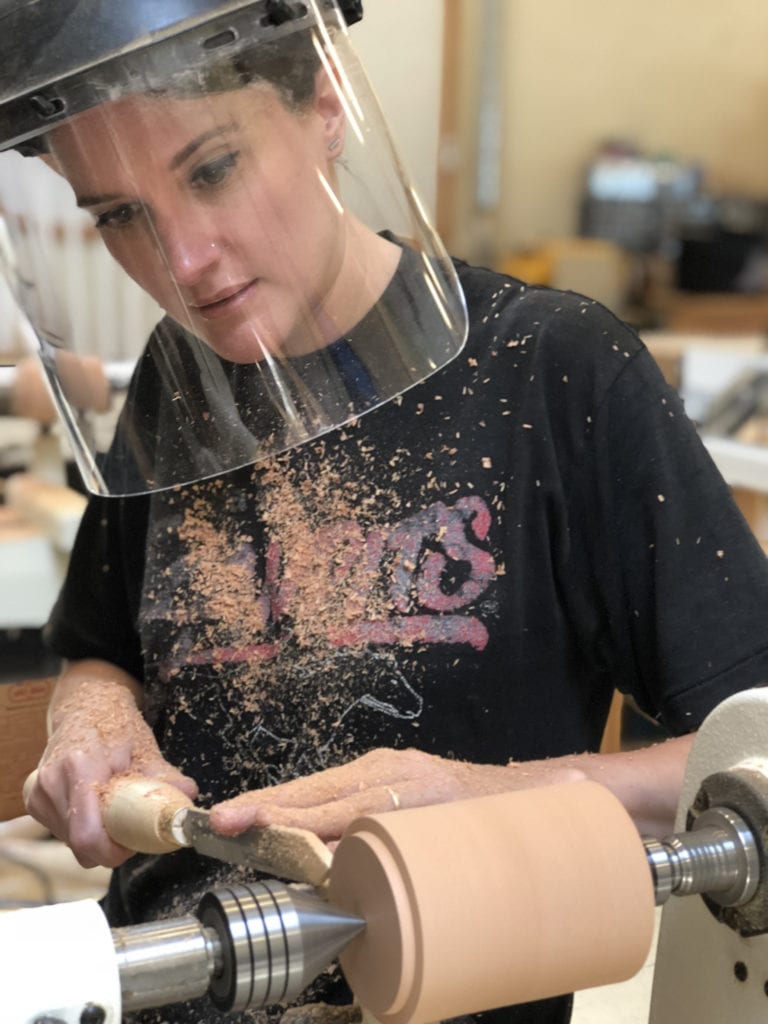
- Operate stationary power equipment safely
- Service and maintain all hand and power tools
- Construct furniture using appropriate techniques, glues and clamping strategies
- Finishing processes – sanding, filling, staining, finishing, polishing
- Select and install furniture hardware
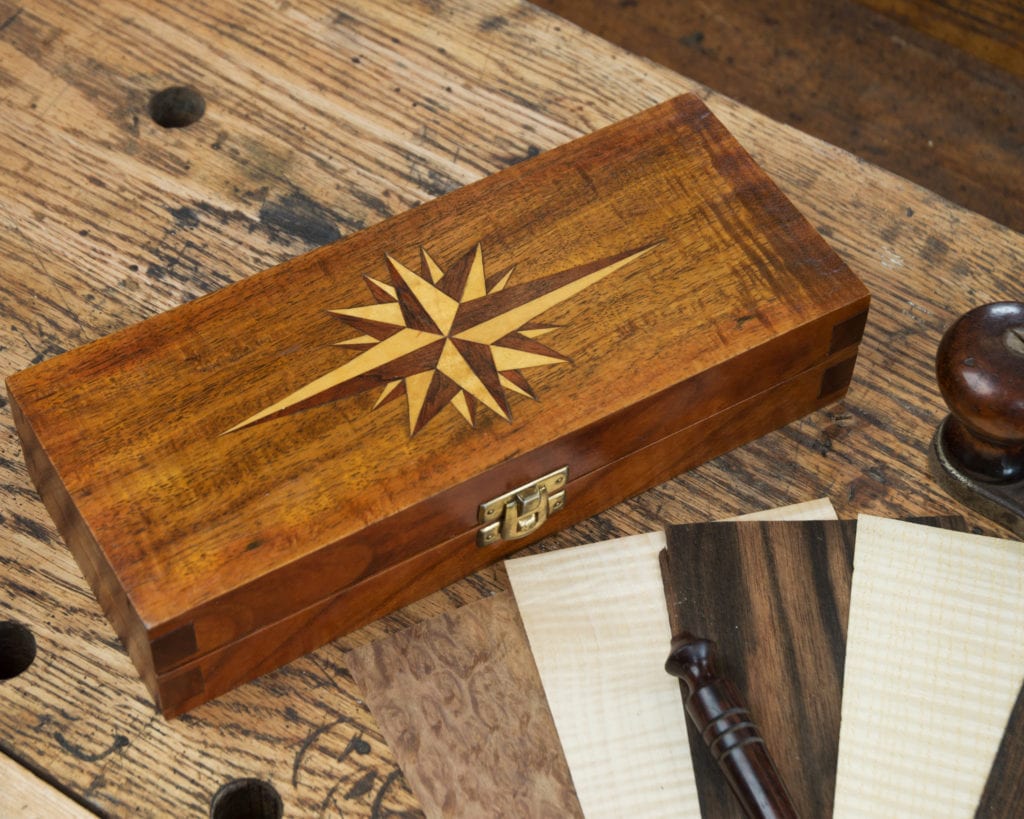
- Use furniture ornamentation techniques such as inlay, carving, bending, and veneering
- Understand the economics of furniture-making
Students are encouraged to challenge themselves to learn new techniques and skills in each project they execute.
On completion, students present a body of work and clarity of knowledge developed over their time at the school. We expect students to graduate with confidence and the necessary skills to design and build fine furniture of their own.
Who is the Certificate For?
This program is for individuals 18 years old and older who find the physical, mental, and emotional challenge of designing and building furniture rewarding.
It is also appropriate for individuals exploring woodworking as a more fulfilling second career or those who wish to learn more about furniture making as a life-enhancing avocation.
Unlikely other schools, this program is structured to allow flexibility to the student. This means that while enrolled in the program, the student can still maintain a work life if necessary, manage the financial commitment to the program in a way that works for them, and, more importantly, refine and process the knowledge from each class before moving on to the next.
How Much Does It Cost?
The overall cost for the program can vary depending on the payment process and which classes a student opts to take for electives.
Tools, books, lodging and meals are not included in the class costs. We do, however, provide a significant discount to students at a local Airbnb.
We currently do not accept the GI Bill.
The transfers and cancellations policy is the same for all classes.
Curriculum Requirements
A student must complete the following classes to receive their Certificate of Woodwork. It is generally expected that it will take approximately 18 months for students to complete the program – it can be done faster, 9 – 12 months, but we strongly recommend time for practice and review between classes. Likewise, it can be done a little slower, but this also has consequences of too much time between knowledge building.
Please note that except for the router and finishing class, the weekend versions of classes do not count towards the Certificate.
How Do I Start?
The first step is to contact the school and discuss your interest. We want to ensure we are a good fit for you and that the result of your investment will get you where you want to go. Please call us at 813-223-3490 and ask for Andrew Gibson, the Director of the School. If it sounds like a good match, we will invite you to the school for a tour and further conversation.
Once this is complete, we will work out a class plan using the planner; see the link below.
Recommended Order of Classes
The classes in the course curriculum below are presented in the general order in which they should be taken. Each new class often builds on the knowledge of the one before it.
There is some general flexibility. For example, once you have taken the Beginning Woodwork class, you can take Box Making and Joinery & Handtools in either order.
Once these are complete, plan to tackle either the introduction to chair-making or casework class. The remaining classes should be completed before the last class.
Link to Certificate Planner 2026 – 26 FL Sch Cert Planner






Beginning Woodwork
This class will establish the foundation for all classes going forward. You will learn about design and milling, get an intro to joinery and construction, and make your first pieces. You will also learn about safe use of all power tools along with the sequence of woodworking projects.
Handtool & Joinery
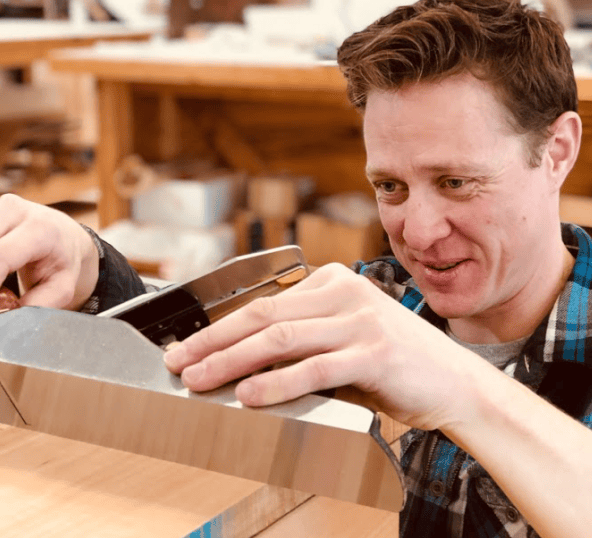
Along with learning about and making a wide variety of joints, you will improve your layout skills, radically improve your measuring and accuracy, and gain a better understanding of joint selection and wood behavior. Sharpening and use of chisels, handplanes, and spokeshaves are an integral part of this class.
Box Making
Making boxes will build on your woodworking and power tool knowledge and is a great steppingstone class to larger projects, like cabinets or drawers. You’ll learn about joinery that can be used in a wide variety of situations, resawing lumber, jigs, and construction.
Chair Making
Making a chair pushes a maker to consider a wide variety of woodworking challenges – ergonomics, engineering, aesthetics, and construction process. There are several chair classes to select from, all of which will take your skills to the next level.
Case Work – Elective
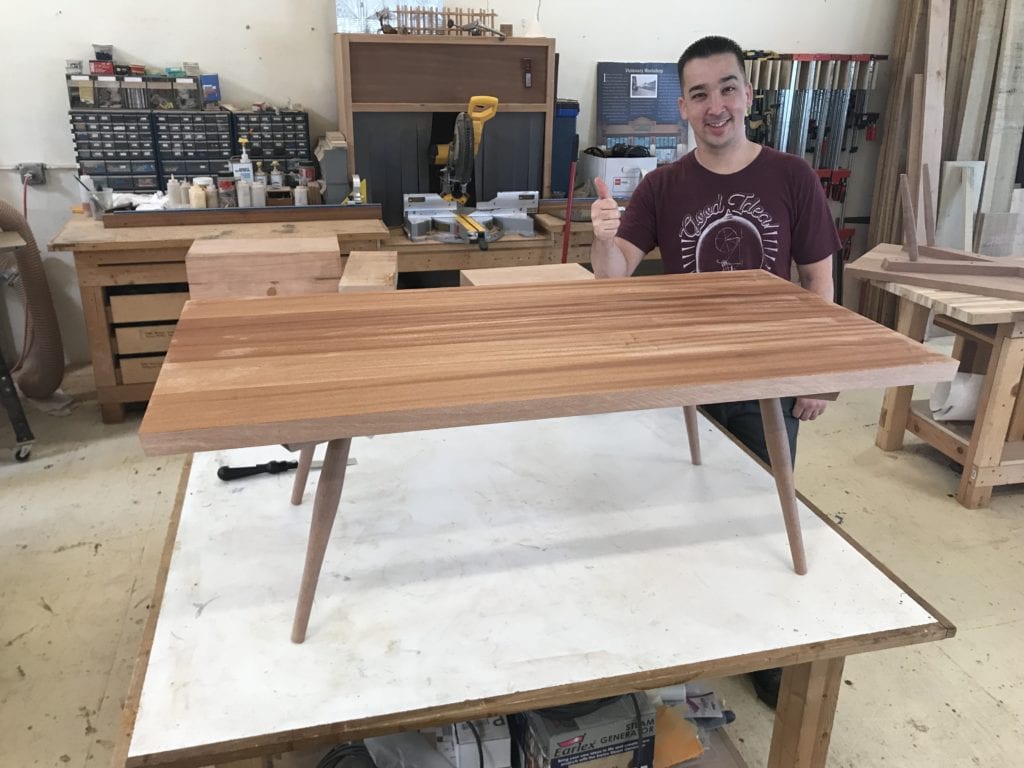
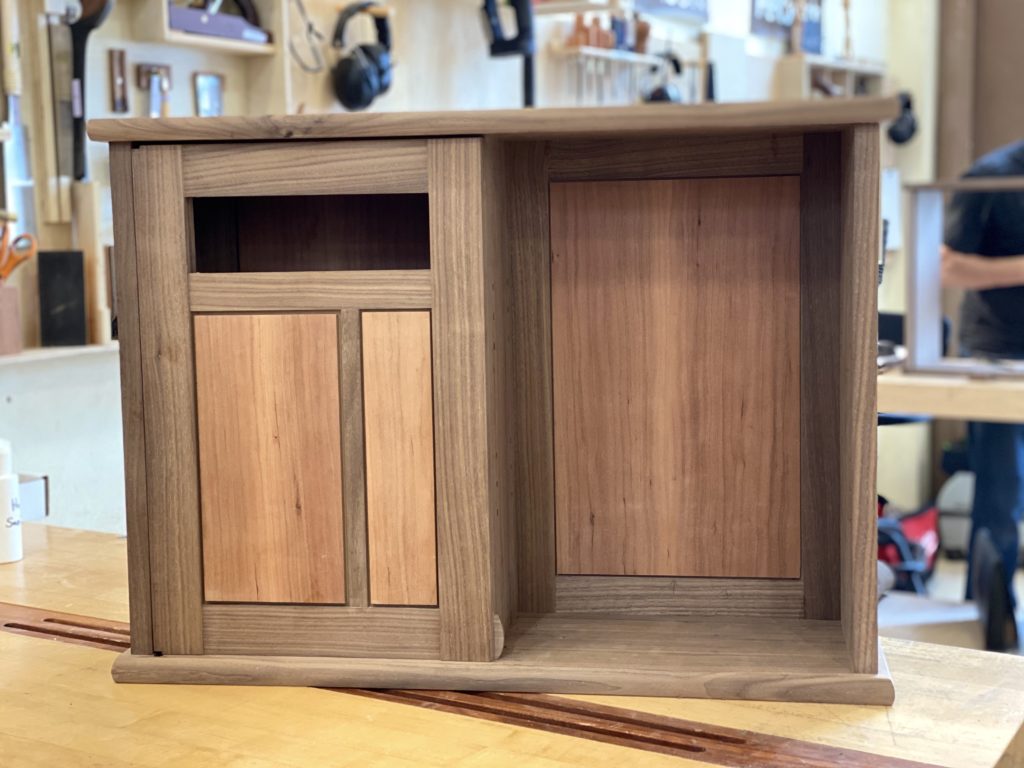
Building a case piece – buffet, desk, nightstand – under the guidance of a master furniture maker will help you to understand how to tackle larger scale, more complex pieces of furniture.
Elective
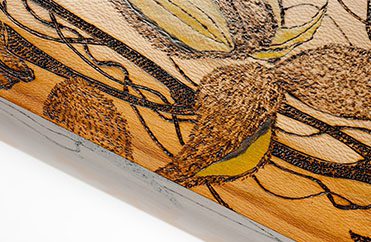
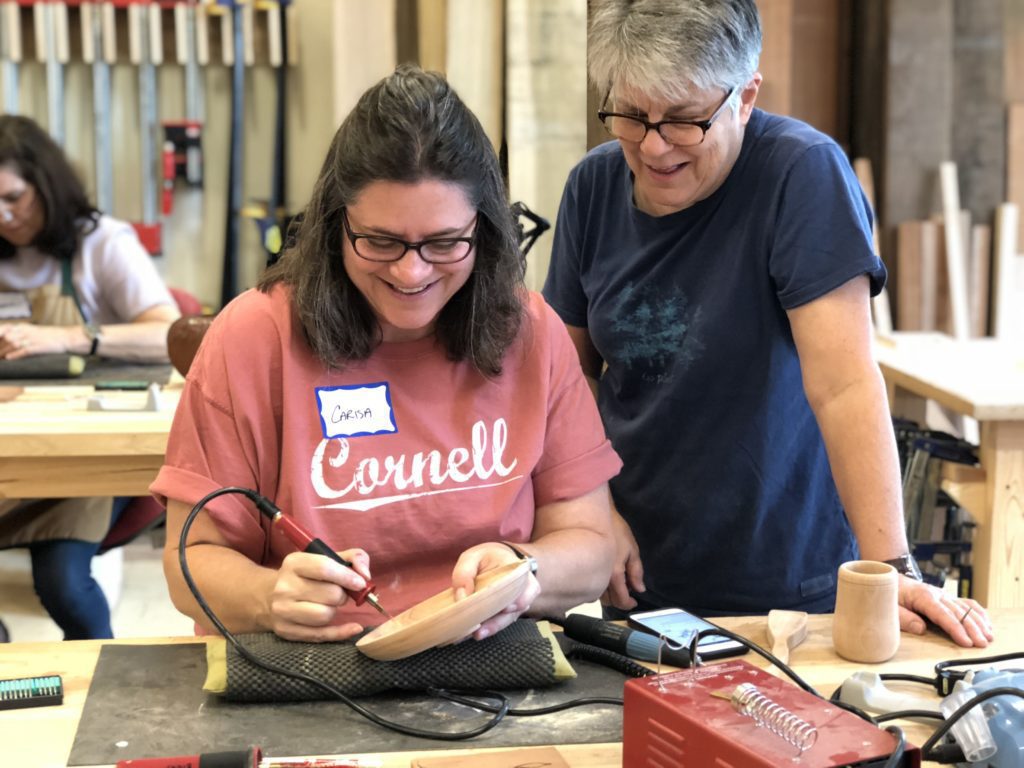
As you advance through the Furniture Maker program, you will find that you have a particular interest in a certain type of work – perhaps it is marquetry, surface embellishment work, or creative box making. These electives should be used to help you focus and develop those skills.
Finishing
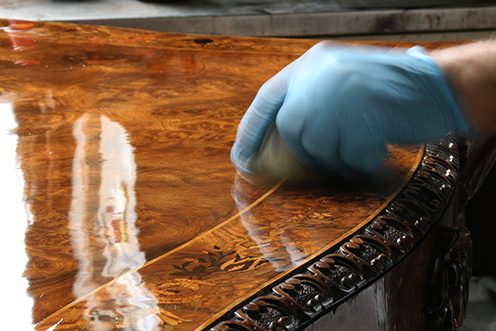
A piece isn’t done until it’s finished, and often woodworkers fail at this last task. A good finish is what makes your piece portfolio-worthy in many cases. It’s good to understand how to select a finish based on your requirements and how to apply it.
Carving
There are several styles of carving, but all of them can bring dimension and finess to your work. The School offers classes in traditional, classic carving, in the round carving, and occasional power carving.
Two-Week Capstone Class
This final class will bring everything you have learned during the course together. You’ll work with a renowned maker to bring a piece of your design into being.
Turning Your Craft Into a Business (webinar)
This online class is provided as part of general studies for a student if they intend to make build a business out of their work.
On Completion
On completion of the course, the student will receive an evaluation and a certificate.
The School will also provide a reference where appropriate for those seeking work in the professional field.
The School staff will continue to be available for questions and support of the student after their graduation.